When you’re working on your car, whether you’re fixing the headlights, changing the alternator, or just doing a bit of maintenance, one of the first steps you should always take is to disconnect the car battery.
It’s a simple step, but it can protect you from electric shock, prevent damage to the car’s electronics, and make your repair job a whole lot safer.
In this article, we’ll walk you through everything you need to know, step by step. Let’s get started.
Why Disconnecting the Battery Is Important
Before touching any wires, tools, or bolts under the hood, it’s important to understand why disconnecting the battery is such a big deal.
1. Avoid Electric Shock
Car batteries hold enough power to give you a solid jolt if handled the wrong way. While they don’t deliver a high voltage like wall outlets, they do carry a strong current that can cause pain, burns, or even damage your tools.
2. Prevent Short Circuits
If you accidentally drop a metal tool across the battery terminals or touch the wrong wires, you can create a short circuit. This may blow fuses, fry electronic parts, or cause sparks that could lead to a fire.
3. Protect Airbags and Sensors
Many modern vehicles have sensitive electronics like airbag systems, backup cameras, and parking sensors. Leaving the battery connected while working on electrical systems may trigger these features unexpectedly or damage them.
4. Keep Yourself and Your Car Safe
Overall, disconnecting the battery makes sure that the car stays “off” even while you’re deep into a repair job. It’s a small task that can prevent big problems.
Tools You’ll Need
The good news is that you don’t need fancy tools or expensive equipment. You probably already have what you need in your garage.
- Wrench or socket wrench (10mm is common)
- Protective gloves (optional but helpful)
- Safety glasses (just to be extra careful)
- A soft cloth or rag (to help keep things clean)
You don’t need power tools or anything complicated—just a little bit of care and the right steps.
Step-by-Step Guide to Disconnect a Car Battery
Let’s break down how to disconnect the battery the safe and correct way.
Step 1: Turn Off the Car Completely
This may sound obvious, but it’s an important first step. Turn off the engine and remove the key from the ignition. If you have a push-start car, make sure all electronics are off—radio, lights, GPS, etc.
Also, wait a few minutes after shutting everything down to give the electrical system time to power down fully.
Step 2: Open the Hood and Locate the Battery
Pull the hood release lever inside the car and open the hood. Use the hood prop rod (if your car has one) to hold the hood up.
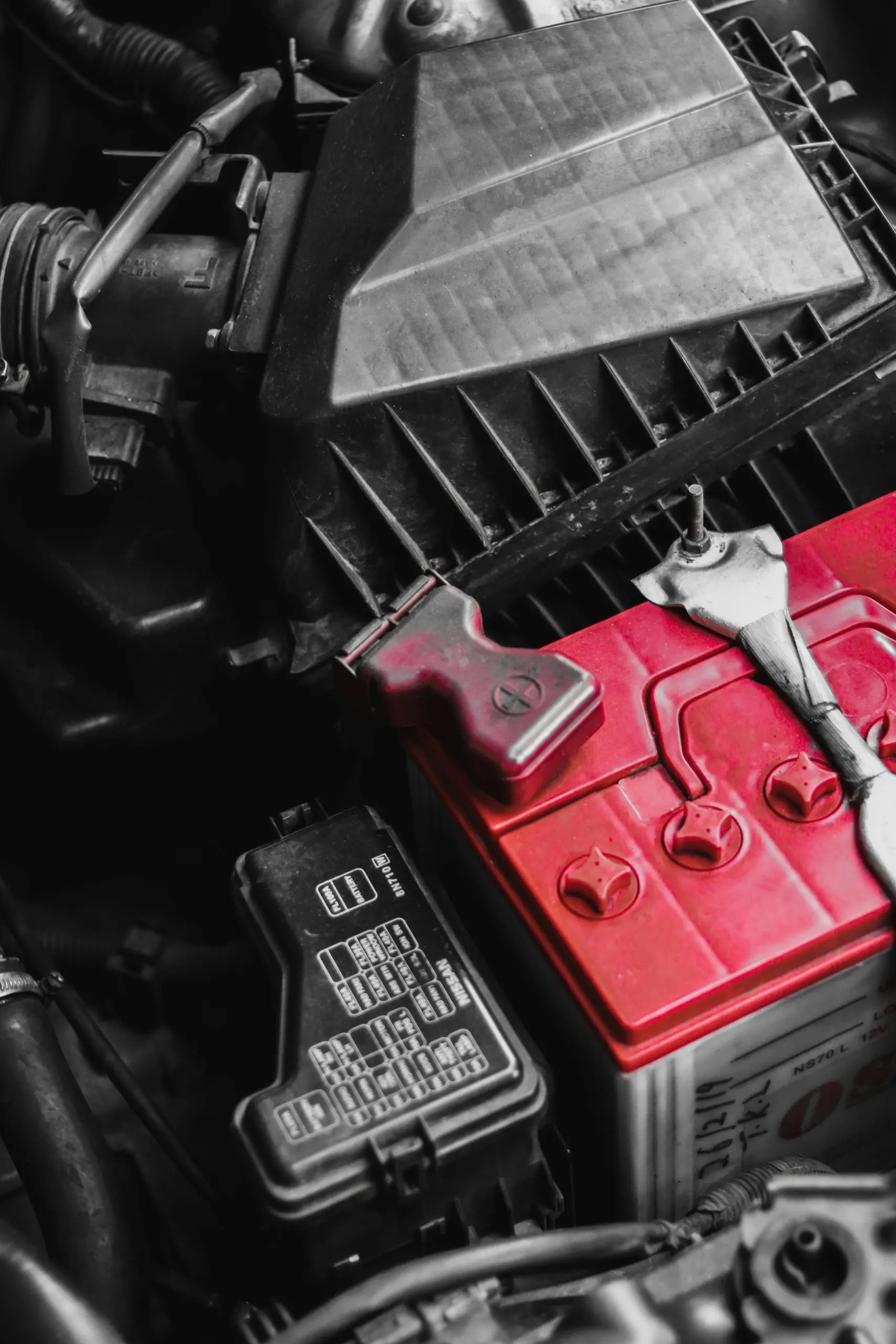
Look for the car battery. In most vehicles, it’s in the front engine bay, either on the right or left side. Some cars might have a cover over the battery—just pop it off gently.
Now you’ll see two thick cables connected to the battery:
- One marked with a minus (-) sign: This is the negative terminal.
- One marked with a plus (+) sign: This is the positive terminal.
Step 3: Loosen and Remove the Negative Cable First
Always disconnect the negative terminal first. This is one of the most important safety rules.
- Use your wrench to loosen the nut on the negative terminal clamp.
- Do not fully remove the nut—just loosen it until you can pull the cable off.
- Twist the clamp gently and lift it off the battery post.
- Push the cable aside so it can’t accidentally slide back into place.
💡 Why remove the negative first? It cuts the circuit. If you start with the positive side and accidentally touch a metal part of the car, you could cause a short.
Step 4: Loosen and Remove the Positive Cable
Once the negative cable is safely removed and tucked away, move on to the positive terminal.
- Loosen the nut just like before.
- Pull the clamp off gently and move the cable away from the battery.
- Make sure the cable doesn’t touch any part of the battery while you work.
🔧 Tip: You can wrap the cable ends in a cloth or rubber glove to prevent accidental contact.
Step 5: Secure the Cables and Start Your Repair Work
With both battery cables removed, you can now work on your car with peace of mind. Just make sure the cables don’t touch each other or any metal part of the car.
Some people like to place the cable ends into a plastic bag or use zip ties to hold them apart.
Safety Tips to Keep in Mind
Even though this process is easy, it’s important to stay safe. Here are a few extra tips:
- Don’t place tools on top of the battery. One wrong move could create a connection between the terminals.
- Avoid touching both terminals at once. It can complete a circuit through your body.
- Keep batteries away from open flames. Car batteries can give off hydrogen gas, which is highly flammable.
- Inspect the battery for leaks or cracks. If it looks damaged, replace it instead of working with it.
When Should You Disconnect the Battery?
You should always disconnect the battery before doing the following:
- Changing the alternator, starter, or fuse box
- Installing or repairing a radio, GPS, or stereo
- Working on airbags, steering wheel, or dashboard wiring
- Replacing a headlight, tail light, or battery
- Doing any electrical work on the vehicle
Basically, if you’re touching wires, electronics, or metal under the hood, disconnect the battery first.
How to Reconnect the Battery When You’re Done
After finishing your repairs, you’ll need to reconnect the battery. Just reverse the steps:
- Attach the positive cable first and tighten the clamp.
- Attach the negative cable second and tighten it as well.
- Double-check that both cables are snug and not loose.
- Replace any covers you removed earlier.
- Close the hood and start the car. Everything should work like normal.
✅ Note: If your car has a clock, radio presets, or security systems, you might need to reset them after reconnecting the battery.
Final Thoughts
Disconnecting your car battery before doing any repair is a simple but important safety step. It helps prevent electric shocks, protects your car’s electronics, and keeps you safe while working under the hood.
Always turn off the engine, remove the negative cable first, and reconnect in the reverse order when you’re done. This quick task takes just a few minutes and can save you from expensive damage or injury.
Whether you’re a beginner or a DIY pro, following these steps ensures you’re working smart and safe every time. Don’t skip it—your car (and safety) depends on it.